

Eating better often starts with a simple goal, like cooking more at home, cutting back on takeout, or adding more vegetables to the day. The surprise is that a better food routine can affect much more than your plate. It can shape your energy, your mood, your sleep, and even how steady your week feels.
The appeal is easy to understand. Busy schedules make healthy choices harder. A long workday, family needs, errands, and stress can turn dinner into whatever is fastest. When healthy meals are easier to plan and prepare, better choices become less dependent on willpower and more tied to routine.
Better Food Choices Can Support Better Energy
Many people think of food delivery as only a convenience choice. It can be that, but it can also help build a more stable eating pattern. When balanced meals are easier to access, you are less likely to skip meals, snack without a plan, or rely on fast food at the end of the day.
Choosing healthy food delivery can help reduce some of the friction that keeps people from eating the way they actually want to. Instead of starting from scratch each night, you can build meals around ingredients and options that already fit your goals.
Energy is one of the first areas people may notice. Balanced meals with fiber-rich carbohydrates, protein, and healthy fats tend to digest more steadily than meals built mostly around refined carbs or added sugar. That steadier digestion can help reduce the afternoon energy swings that make it harder to focus or stay motivated.
Not every meal has to be perfect to make a difference. A realistic routine matters more than one ideal plate. When vegetables, whole grains, beans, lean proteins, and healthy fats show up more often, the health value can add up across the week.
It can also make portion awareness easier. When meals are planned ahead, people often have a clearer sense of what they are eating and when. That awareness can support healthier choices without making food feel strict or stressful.
The Mental Health Benefits May Surprise You
Food is not a magic fix for stress, anxiety, or low mood, but research continues to show a meaningful link between diet and mental well-being. Healthy eating patterns have been associated with better mental health than diets high in heavily processed foods, added sugars, and low-nutrient choices.
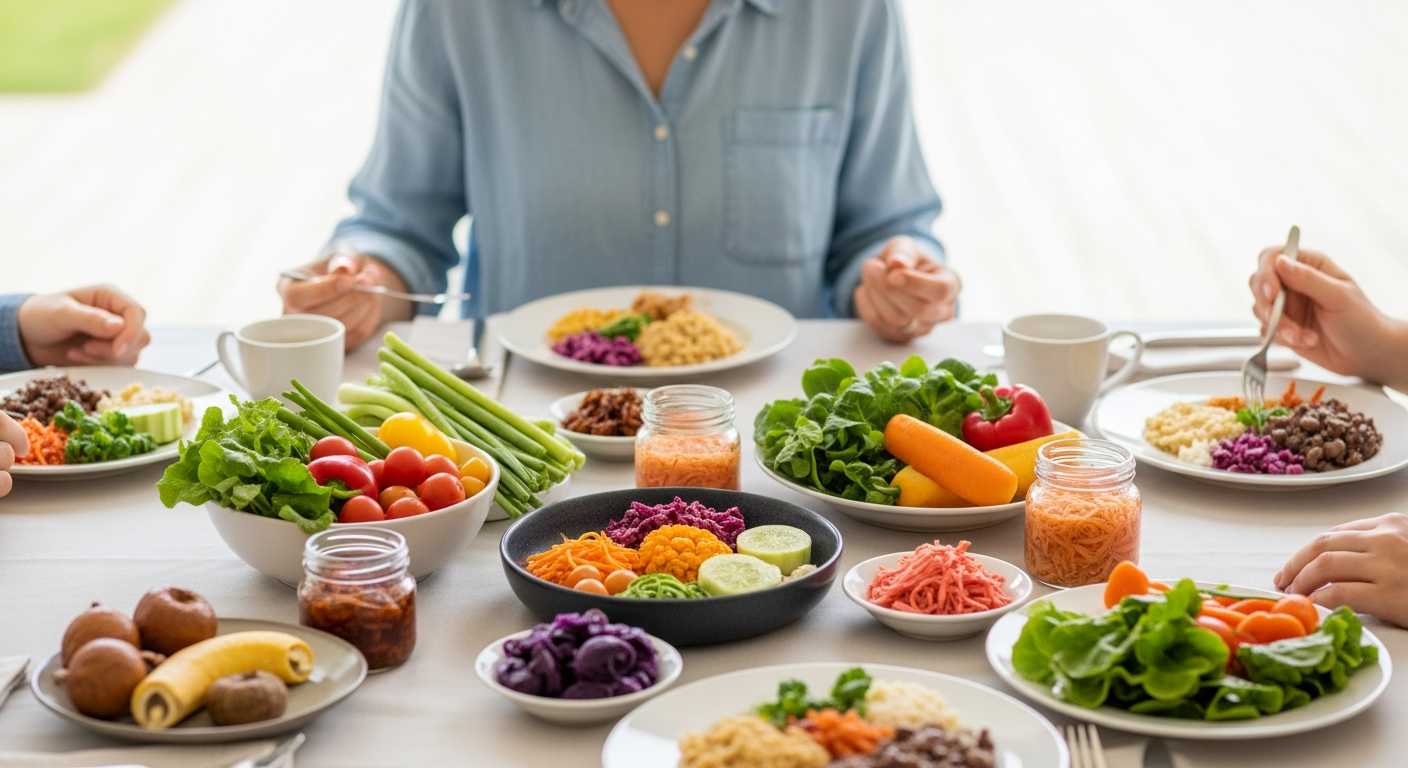
One reason may be the gut-brain connection. The digestive system and brain communicate in both directions, and gut health may play a role in mood, stress response, and overall well-being. A diet with more fiber, colorful plants, and fermented foods may help support a healthier gut environment.
There is also the simple relief of having one fewer decision to make. Food decisions can take up more mental space than people realize. What should you buy? What can you cook fast? Is there anything healthy at home? Will everyone eat it? A delivery routine can reduce that daily decision load.
Less decision fatigue can make it easier to follow through on other healthy habits, too. When dinner is already taken care of, there may be more room for a walk, a better bedtime, or a calmer evening. That kind of benefit may not show up on a nutrition label, but it can still support health.
A predictable food routine may also help people feel more in control. For anyone trying to improve wellness, consistency often matters more than intensity. A simple, repeatable system can make healthy eating feel less like a project and more like a normal part of life.
Healthy Eating Can Improve the Rest of Your Routine
Food habits often connect with other health habits. When people eat better, they may feel more motivated to move, sleep better, and manage cravings or stress more easily.
Healthy meals can also support workouts in a practical way. The body needs enough fuel to stay active, and meals rich in protein, complex carbohydrates, vitamins, and minerals can support muscle repair, stamina, and recovery. That can make movement feel more enjoyable and easier to keep doing.
There is also a time benefit. Planning, shopping, chopping, cooking, and cleaning can take up much of the evening. Delivery does not remove every task, but it can cut down the steps, leaving more room to stretch, prepare for the next day, or get to bed earlier.
Variety is another overlooked benefit. People often buy the same foods every week, even when they want to eat more broadly. Meal delivery can introduce new vegetables, sauces, grains, and proteins without a long search in the store. More variety can make healthy eating more enjoyable while supporting a wider range of nutrients.
A Simple Switch That Can Make Healthy Living Feel Easier
The biggest benefit may not be one single nutrient or one perfect meal. It is the way a better food routine can make good choices easier to repeat. Health is shaped by what happens most days, not by the occasional salad or the occasional slice of pizza.
When nourishing food is more accessible, people face fewer barriers between their intentions and actions. That can mean steadier energy, a calmer relationship with food, better mood support, more time for movement, and a smoother daily routine.
Healthy eating should not feel like a full-time job. A smart food delivery routine can make it more practical, flexible, and sustainable. For many people, that is the unexpected benefit that matters most.


Reply